Built for modern primary care

Smarter follow-up for chronic patients — without overloading the clinic.

KRM Care helps primary care teams monitor patients remotely, detect deterioration earlier, and intervene faster through structured digital follow-up for diabetes, hypertension, obesity, and related chronic conditions.

Remote Daily patient monitoring with low friction for both clinics and patients.
Early Identify concerning trends before complications become urgent.
Scalable Built to support pilot projects, clinic teams, and regional growth.
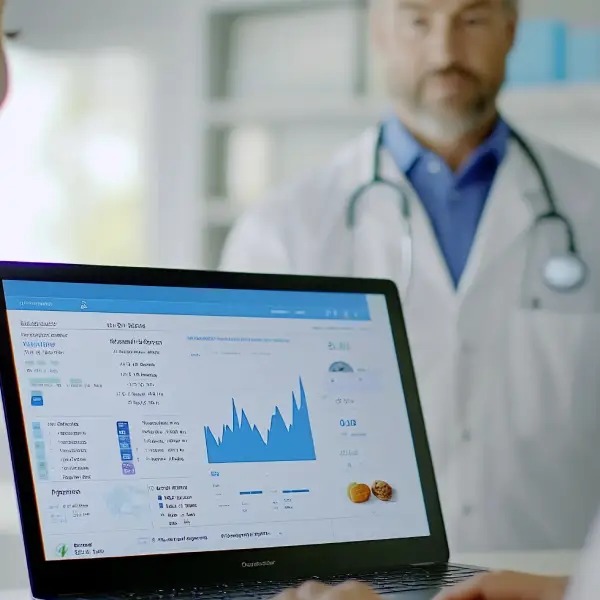
KRM Care dashboard

Patient monitoring overview

Live pilot

Average response window

< 24h

Active follow-up

Daily

Monitored parameters

4+

Clinical focus

Primary care
07:30
New data reviewed from blood pressure, glucose, weight, and symptom reports.
10:00
Patients with concerning changes are flagged for contact and quick intervention.
14:00
Care team updates the plan and maintains structured continuity without unnecessary visits.
Solution

A focused digital layer for chronic disease management.

KRM Care is designed to give clinics a practical operational model for remote chronic care follow-up — not another bloated platform. It starts simple, works with real-world patient behavior, and creates a clearer path from daily data to clinical action.

Diabetes follow-up

Track glucose trends, symptoms, adherence, and weight to support earlier intervention and stronger continuity between visits.

Hypertension monitoring

Capture structured blood pressure data over time and reduce fragmented follow-up based on isolated readings.

Obesity and lifestyle support

Bring weight, symptoms, motivation, and care plan adjustments into one clear follow-up structure.

How it works

Simple workflow. Clear action. Better continuity.

The model is designed for practical use in primary care, even when patients start with manual devices and simple daily reporting.

1

Patient reports data

Daily or scheduled measurements are collected in a structured format.

2

Changes are reviewed

Trends and concerning deviations are identified instead of relying on isolated values.

3

Team intervenes earlier

Selected patients are contacted faster when deterioration starts to appear.

4

Care becomes more proactive

Less reactive care, stronger continuity, and better use of clinic time.

For clinics

Built for real workload, not idealized workflow charts.

KRM Care is intended to reduce unnecessary friction for care teams while creating a stronger system for follow-up, prioritization, and documented continuity.

Earlier detection

Spot worsening trends before they become avoidable complications or urgent contacts.

Better continuity

Follow the patient over time with structure instead of fragmented snapshots.

More efficient triage

Focus clinic attention on patients who are actually starting to drift.

Scalable pilot model

Start with a small selected cohort and expand once the workflow is proven.

For investors

A practical healthtech model with clear operational value.

The opportunity is not just software. It is a structured care layer for chronic disease management in primary care — where high patient volume, fragmented follow-up, and avoidable deterioration create both clinical and financial pressure.

Large chronic care need

Diabetes, hypertension, obesity, and multimorbidity continue to drive a significant burden in primary care systems.

Operationally realistic entry

Start with selected patients, low-friction reporting, and measurable pilot outcomes rather than heavy implementation.

Clear expansion path

From one clinic to multiple units, from one diagnosis area to broader chronic disease follow-up infrastructure.

Contact

Let’s build the next layer of chronic care.

KRM Care is open to conversations with clinics, pilot partners, and investors who want a sharper, more practical model for chronic disease follow-up.

Current focus

Initial pilot areas

  • Patients with elevated HbA1c and need for closer follow-up
  • Structured blood pressure monitoring in primary care
  • Early remote follow-up workflows that fit existing clinic routines